Guide 02 / comparative observation
How to read river wind from shore
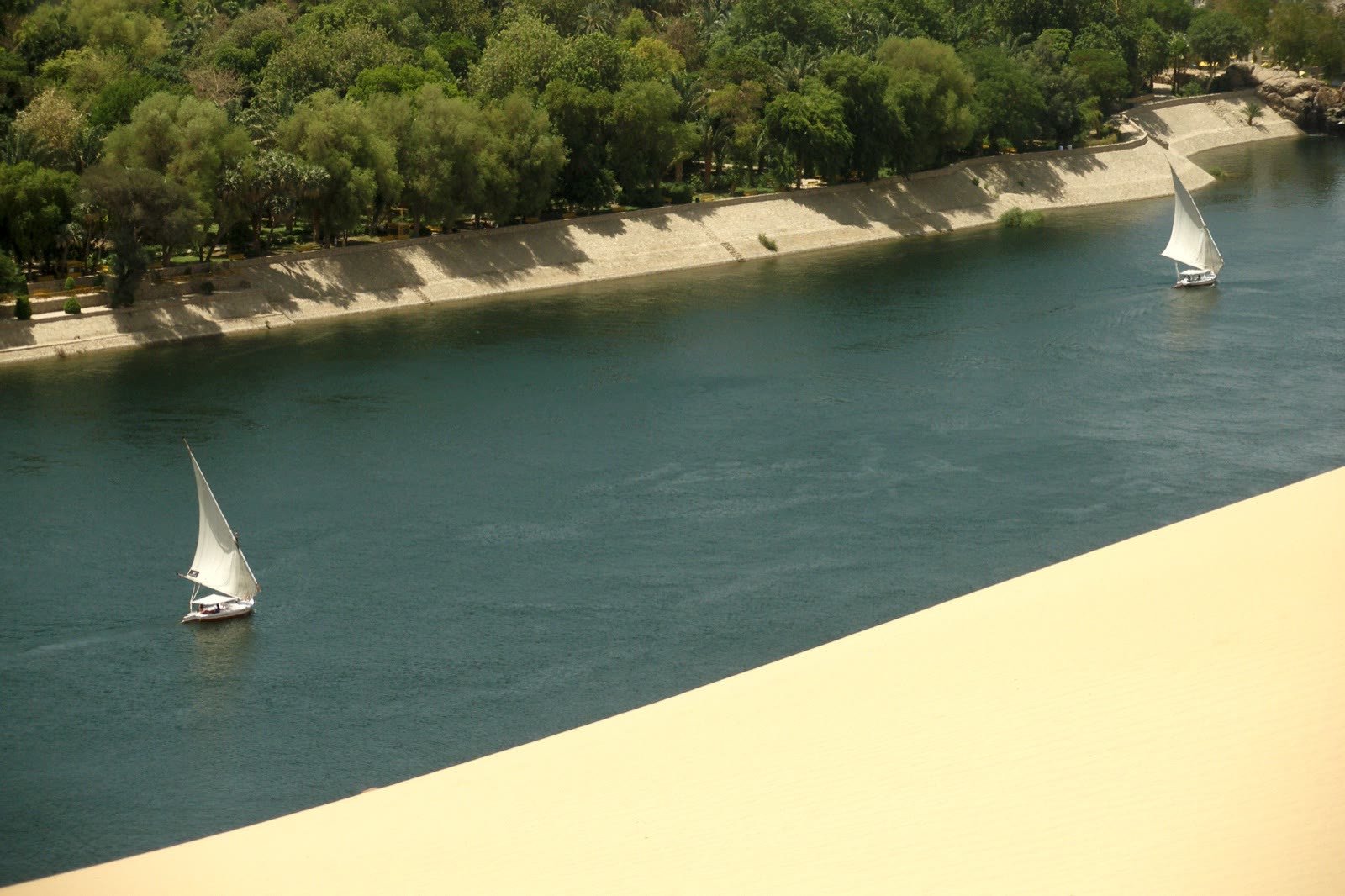
No single sail, flag or ripple gives the whole answer. Use a stable viewpoint and compare several clues across the visible river section.

Choose a safe fixed position
Use a public promenade, confirmed viewpoint or place where you do not block a landing, cycle route, worker or passenger queue. Do not step onto rocks, mooring structures or narrow edges for a clearer angle. Establish one stable reference—an island tip, pier, building corner or moored vessel—so camera movement is not mistaken for boat movement.
Compare at least three clues
Look at sail fullness, small ripples, flags or loose fabric, and movement in exposed vegetation. A flag may be mounted high above a sheltered bank; tree leaves may sit behind a wall; a sail may be changing position during a manoeuvre. Agreement between several clues is more useful than treating one as a precise instrument.
Thirty-second scan
Shore reference → open-water texture → water near shelter → two separate sails → high flag or tree. Write “mixed” when the clues disagree. That disagreement can be the most accurate result.
Map shelter before direction
Buildings, trees, islands and high banks can reduce or disturb wind close to them. Divide the scene into open gaps and sheltered-looking edges before comparing boats. A smooth patch near vegetation may not represent conditions in the centre of the channel. Similarly, a sail partly hidden behind an island cannot explain wind across the entire river.
Watch change over time
A short sequence is more informative than a single photograph. Note when a sail fills, softens or changes angle relative to the same mast and bank. Observe whether water texture changes across the frame or only after another vessel passes. Do not convert these changes into wind speed without proper measurements and expertise.
Separate bow direction from track
The hull’s heading is only one part of motion over water. Current, wake and manoeuvre affect the path seen against the bank. Use the fixed reference to describe “moving left across the frame” or “holding near the island edge” instead of claiming a compass course. Only the crew can judge the actual safe route and immediate conditions.
Recognise photographic distortion
Telephoto lenses compress distance and place boats from separate channels close together. Wide lenses exaggerate foreground space. A tilted horizon can make mast and hull angles misleading, while glare removes fine ripples. Keep a wider context frame and record major cropping or perspective limits when they matter to the interpretation.
Do not signal or direct a boat
Shore observation gives no authority to advise a crew. Do not wave a vessel closer, point out a route, request a sail adjustment or use a drone to follow it. Ordinary gestures can be misread near a landing. If an emergency appears to be occurring, contact the appropriate local service rather than improvising navigation instructions.
End with current uncertainty
Wind can change after the observation, and visible clues do not establish depth, equipment, traffic rules or whether rides are operating. If considering a trip, ask the responsible operator again at boarding time. A careful shore note can explain what was visible; it cannot approve the voyage.
The result is still worthwhile. By comparing open and sheltered water, several sails and one fixed bank, the river becomes a set of relationships rather than a decorative blue field. The discipline lies in stopping before those relationships become a forecast.