Guide 01 / clear agreement
What to ask before a felucca ride
A recognised boat type does not create a standard trip. Confirm the actual operator, vessel and agreement before moving toward the water.
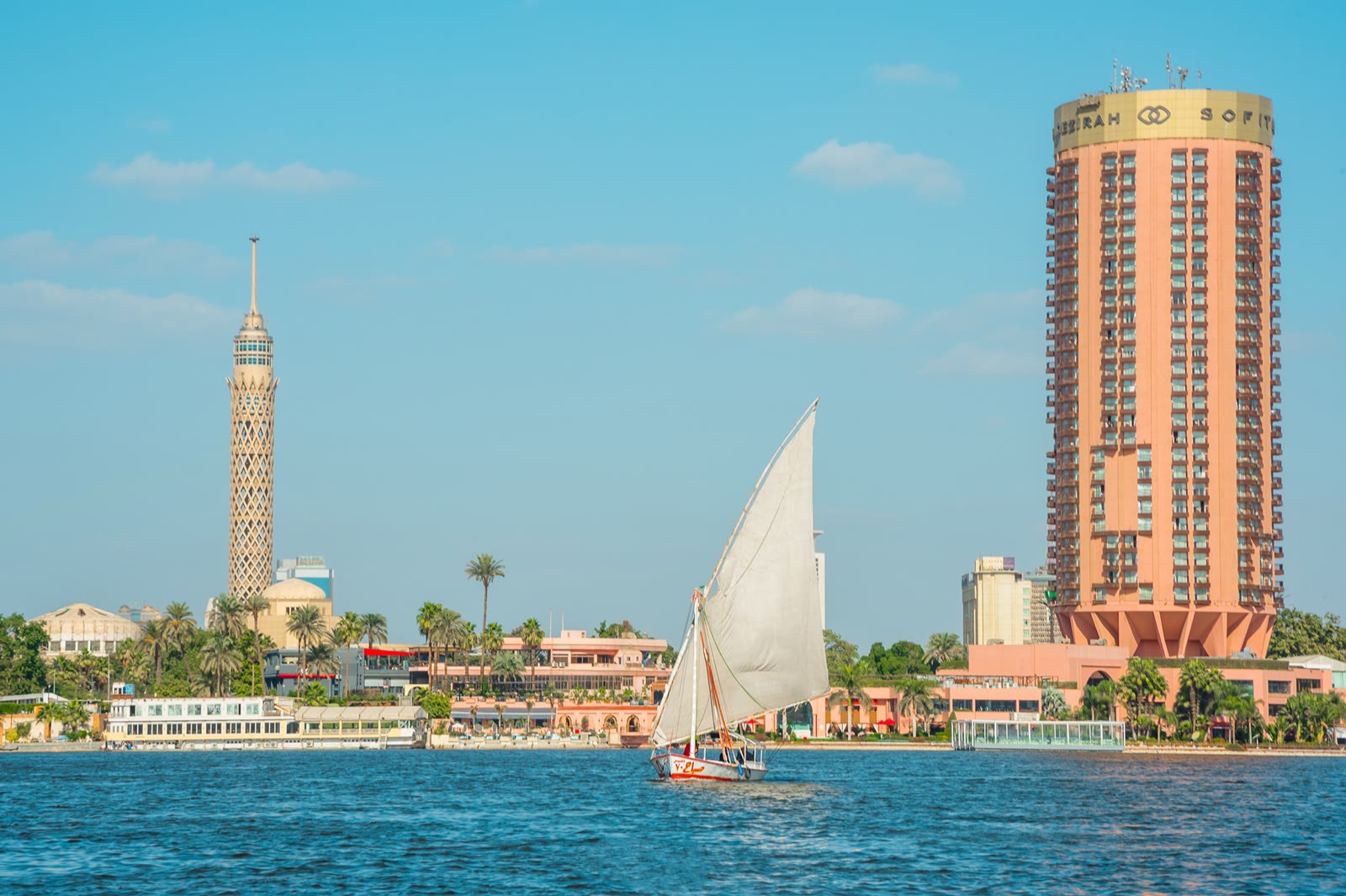

Identify the agreement
Confirm who is responsible for the trip and which boat the conversation concerns. A discussion near several vessels can become ambiguous, especially when more than one person is assisting at the landing. Point to the boat, repeat the passenger number and make sure the person accepting the agreement is authorised to do so. Windward Nile does not list or endorse operators.
Ask six questions together
Confirm the intended route, expected duration, departure point, return point, total price and currency. Ask whether the price covers the whole agreed group or each person, and what happens if conditions require a shorter route. Keeping the questions together reduces the risk of combining one person’s duration with another person’s price.
Plain agreement line
“This boat, for this group, leaving here, returning here, for this approximate time, at this total price in this currency.” Repeat the answer before boarding. Do not publish it later as a permanent tariff.
Discuss current conditions
Ask the operator whether the present wind, visibility and traffic support the proposed trip. The correct answer can change after the conversation, and the crew may shorten, delay or cancel. A previous ride, forecast screenshot or calm-looking photograph does not overrule a current operating decision. If you do not understand the change, remain ashore until it is clear.
Confirm capacity and safety expectations
State the full group, including children and anyone who may need assistance boarding or sitting. Ask what safety equipment is provided and which local requirements apply. This guide cannot inspect a vessel or decide that it is suitable. If capacity, equipment, boarding access or instructions appear uncertain, do not proceed simply because payment was discussed.
Board only when invited
Wait at the indicated position while the crew secures the boat and prepares the entry. Deck height and gaps can change with wake and passenger movement. Keep both hands available, pass bags as instructed and do not step on ropes, seats or painted edges that have not been identified as a foothold. Once aboard, sit where directed; people moving together can alter a small vessel’s balance.
Keep the working area clear
Place bags, loose clothing and camera straps where they cannot catch lines or block movement. Do not hold the sail, yard, mast, tiller or rope for a photograph. Never ask for an extra turn, closer pass or delayed landing only to improve the frame. The crew’s route and timing take priority over the image.
Clarify photography and privacy
Permission to ride does not automatically include permission to publish identifiable photographs of crew or other passengers. Ask specifically, explain likely use and accept refusal. Avoid exposing phone numbers, payment, private conversations or precise details of a person’s routine in the background.
Keep the return practical
Remember the landing visually and in words, but do not assume every trip returns to the same physical point unless agreed. Pay according to the clear arrangement and resolve questions ashore without blocking the landing. If the agreement changes before departure in a way you do not accept, decline before boarding rather than arguing from the boat.
The useful preparation is modest: one responsible operator, one identified boat and six points repeated clearly. It does not remove uncertainty from the river. It makes the visitor’s part of the decision honest and specific.